A website content refresh is not a one-time project. It is an ongoing business decision that affects how Google ranks your pages, how visitors trust you, and how many of those visitors actually contact you. Most small businesses update their sites far less often than they should, and that gap costs them leads. If your site still says what it said two years ago, search engines and potential customers both notice.
At 720 Digital Marketing, we work with small and local businesses doing between $500K and $10M in annual revenue. Those are companies where every lead matters. Stale content is not just an aesthetic problem. It is a revenue problem.
A refresh means updating existing pages with new information, better copy, or more relevant examples. It is not always a full redesign. The work ranges from rewriting a homepage headline to adding a new service, updating your pricing language, or replacing an outdated blog post with something that actually answers what customers search for today.
Each of these moves signals to Google that your site is active and maintained. That matters for rankings. It also matters to the person who lands on your page at 9pm wondering if you are still in business.
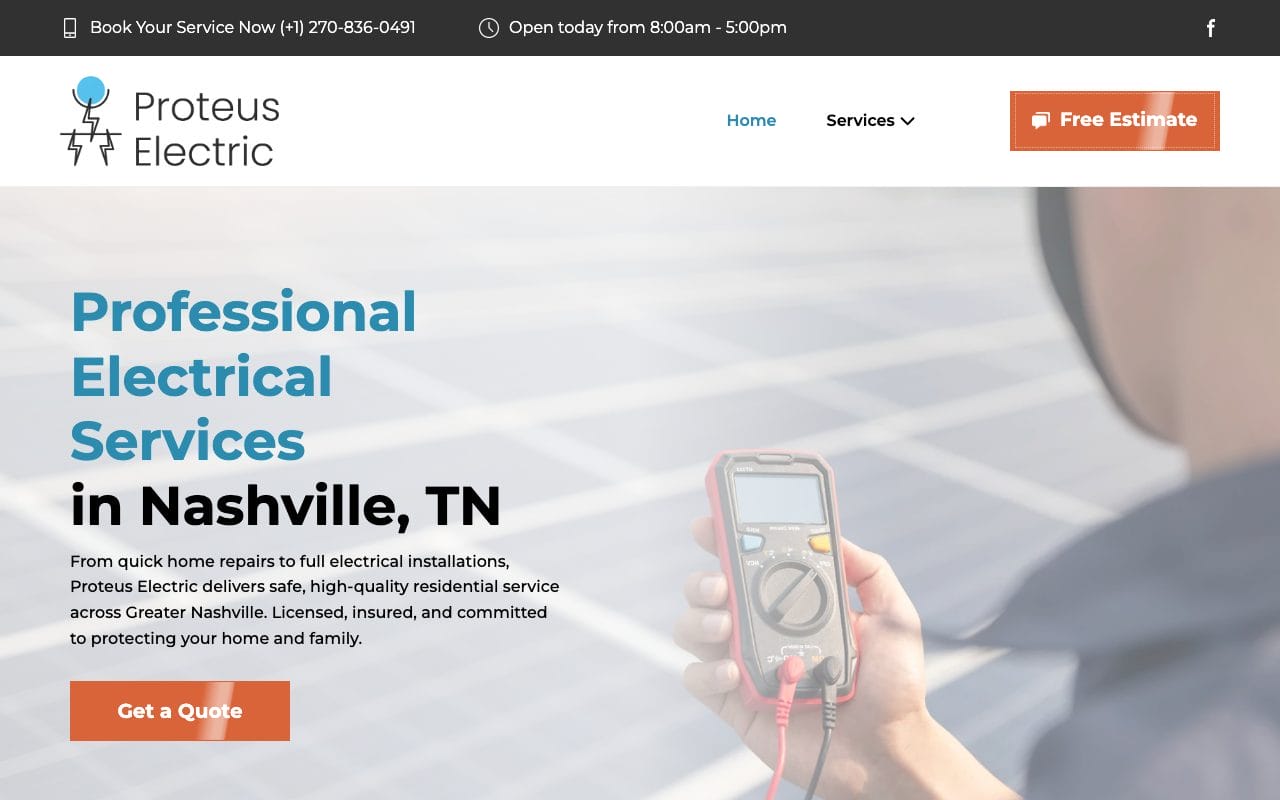
The honest answer depends on your industry and how competitive your keywords are, but a reliable baseline for most small businesses looks like this.
If you are in a competitive local market, like SEO in Las Vegas or digital marketing in Oakland, CA, the bar is higher. Your competitors are updating their content. Staying still means falling behind.
Google gives fresh, relevant content a ranking advantage in most categories. This is not a rumor. It is a documented part of how the algorithm evaluates pages for queries where recency matters. For a small business, nearly every service-based query qualifies. People searching for a landscaper, a surgeon, or a paid ads agency want to know you are active right now, not two years ago.
Search engines also crawl sites more frequently when those sites publish or update content on a regular schedule. A site that never changes gets crawled less. That means new changes you do make take longer to show up in rankings. Consistent updates keep the crawl rate healthy.
For businesses running paid traffic alongside organic, like those using PPC services in Dallas or PPC management in Bend, OR, landing page content matters just as much. A dated landing page raises your cost-per-click and lowers your conversion rate. Refreshing that copy is not optional if you care about your ad spend efficiency.

You do not always need to wait for a calendar reminder. Some signs are immediate and obvious once you know what to look for.
Any one of these is a reason to act. Three or more at once and you are probably leaving a measurable number of leads on the table every month.
Some industries move faster than others. If you are in healthcare, your content needs to reflect current regulations and patient expectations. The same guidance that read well in 2022 may now be outdated or, worse, create compliance concerns. Our team works with healthcare providers who face exactly this challenge, where content accuracy is not just an SEO issue but a trust issue with patients before they ever call.
Landscaping businesses face seasonal content demands. Your spring cleanup page needs to be live and optimized before the search volume spikes, not after. The businesses that win in search for landscaping services are the ones whose pages are already fresh when the season turns. If you are in that space, our work on SEO for landscapers covers exactly how to time this.
For professional services like plastic surgery, where trust and specificity drive patient decisions, stale copy sends the wrong message. Patients comparing providers will notice quickly if your page reads like a generic template. Detailed, updated, procedure-specific content is what earns clicks and calls. This is something we address directly in our approach to SEO for plastic surgeons.
B2B companies have a slightly longer buying cycle, but that does not mean content can sit untouched. Buyers in B2B do more research, read more pages, and compare more carefully. A B2B PPC strategy built on top of outdated landing pages will underperform regardless of how well the ads are written. The page has to carry its weight.
Even in emerging categories like fintech, where the landscape shifts constantly, firms that keep their content current rank better and convert better. Our fintech SEO services in Nashville are built around exactly this kind of ongoing content discipline.
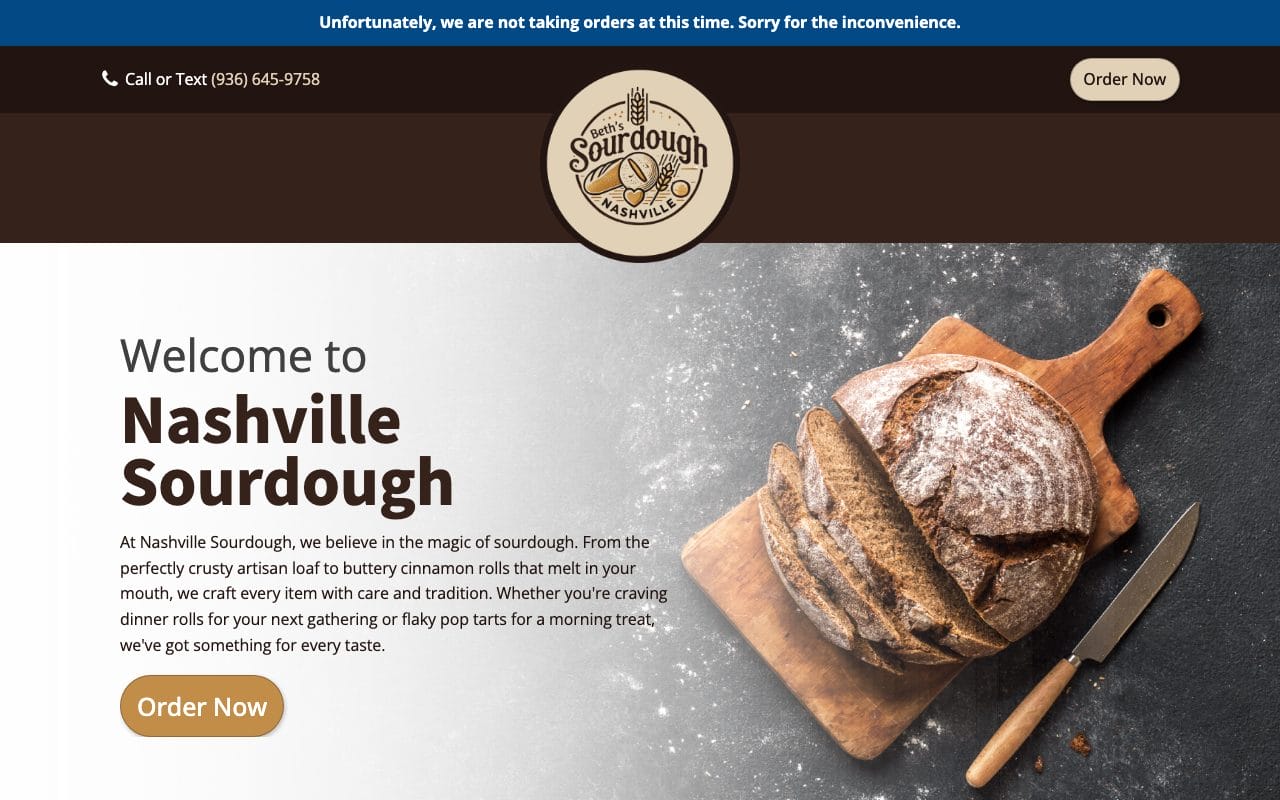
You do not need a full content audit every quarter. A focused, repeatable process takes less time and gets better results than a frantic overhaul once a year.
Regional businesses expanding into new markets need this process even more urgently. When you are trying to rank in a new city, the pages you build there have to be genuinely useful and specific to that area. Our work with businesses in markets like Birmingham shows that city-specific, well-maintained pages consistently outperform thin location clones.
A refresh is not about adding filler words to hit a word count. It is not about rewriting the same vague claims in new sentences. It is not synonymous with a redesign. You can have a visually clean site with completely stale content, and that site will underperform.
The goal is accuracy, specificity, and usefulness. Does the page answer the real question a prospective customer has right now? Does it give them a clear reason to choose you? Does it make the next step obvious? If the answer to any of those is no, that is what the refresh needs to fix.
Brand assets matter too. Even something like an updated business card design in Houston signals to clients that your brand is current and professional. The same principle applies to your website. A site that looks and reads like it was built three years ago and never touched tells visitors the same thing a stale business card does.

720 Digital Marketing works with small businesses across the United States to keep their web presence sharp, specific, and built to generate leads. We handle SEO, paid ads, social media, and web design at pricing built for businesses your size. If your site has not been reviewed in the last six months, now is the right time.
Fill out the contact form on our site to request a free website review. We will look at your current content, identify the biggest gaps, and tell you exactly what a refresh would take. No fluff, no pressure, just a straight answer on where you stand and what it would cost to fix it.
Most small business website refreshes take between two and six weeks, depending on how many pages need work and how quickly you can review drafts. A focused refresh of your top five to ten pages can be completed faster than a full-site overhaul and often delivers better results because the effort goes where traffic already exists. 720 Digital Marketing can scope the project after a review of your current site so you know exactly what to expect before any work begins.
Yes, in most cases a content refresh improves rankings, especially for pages that have slipped over the past year. Google re-evaluates updated pages, and if your new content is more specific and more useful than what competitors have published, rankings tend to move up within weeks. The bigger the gap between your current content and what searchers actually need, the more a refresh can move the needle. 720 Digital Marketing focuses updates on the keywords and pages most likely to deliver leads, not just traffic.
The cost depends on the number of pages, the depth of rewriting needed, and whether the refresh is paired with other SEO work. 720 Digital Marketing prices services to deliver results at rates built for small businesses, not enterprise budgets. We are transparent about what is included and what it will cost before you commit to anything. Request a quote and we will give you a real number based on your actual site.
You can handle a basic refresh yourself if you have the time and know what to look for, but most small business owners are running a company and do not have hours to spend auditing pages and rewriting copy. The risk of a DIY approach is that you may fix the wrong things or miss the keyword and search-intent issues that are actually causing the ranking problems. 720 Digital Marketing takes that work off your plate and focuses it on the changes most likely to improve leads.
Start with the pages that already get traffic but are not converting, and the pages that used to rank well but have dropped in the past six to twelve months. Those are the highest-leverage targets because the audience is there and small improvements have an outsized effect. 720 Digital Marketing identifies these pages as part of a site review and prioritizes them so your refresh budget goes toward work that pays back fast.
Ready to get started? Talk to the 720 Digital Marketing team.