The core principles of web design are appearance, navigation, attention, direction, and action. Together they make a site that looks credible, is easy to move through, holds interest, points users toward the next step, and gets them to take it.
1. Appearance
Creating a beautiful website is the first step to attracting new customers. The look of your website communicates more about your company than words alone. A site featuring modern design elements, optimized images, and multimedia is far more effective at converting customers than one that appears outdated.
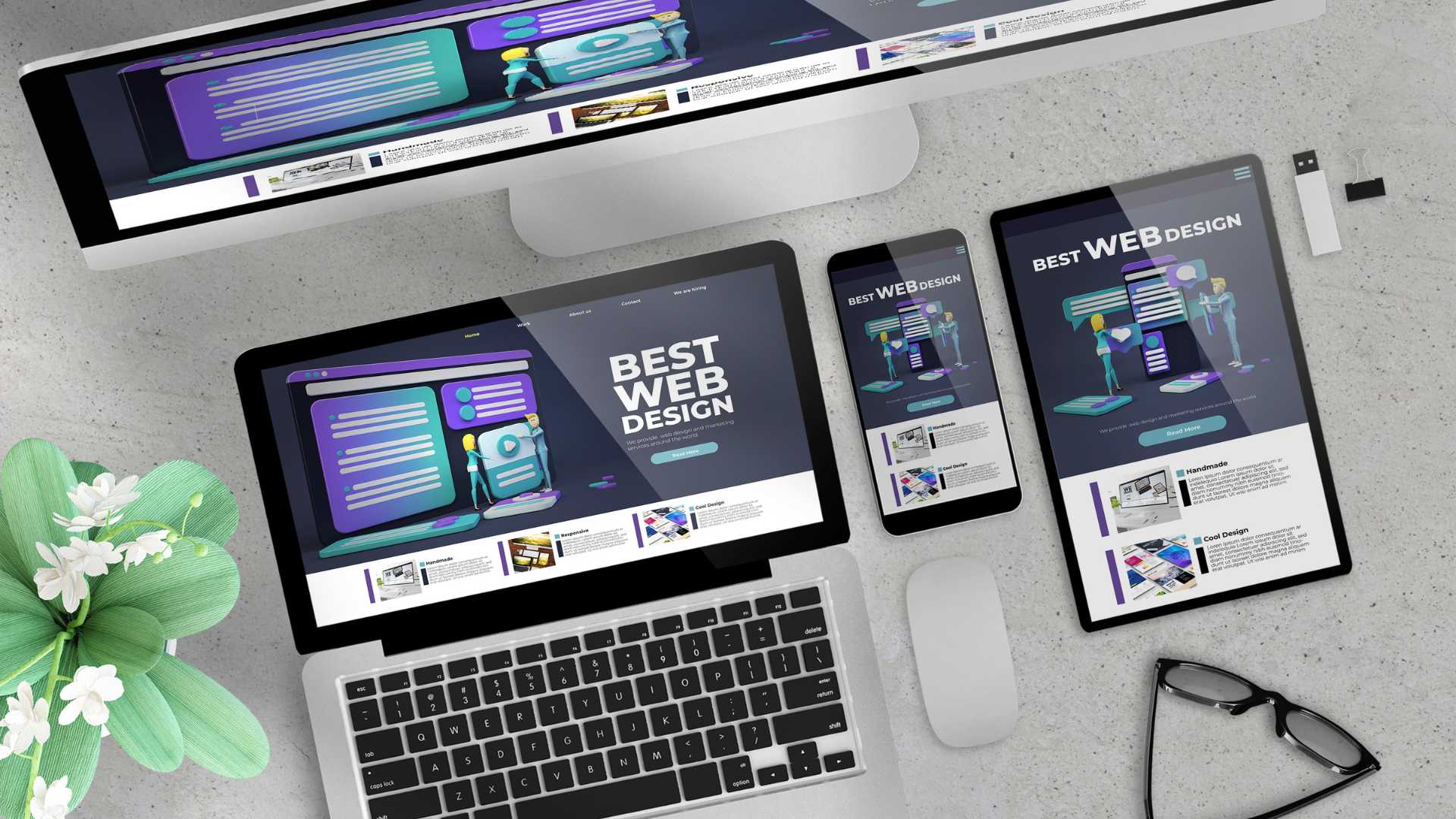
Responsive design is essential in this process. It ensures your website adjusts to fit any screen, providing a seamless experience whether viewed on an iPhone or a 27-inch desktop monitor. This user experience is crucial for gaining new customers. An attractive, easy-to-navigate website keeps visitors engaged.
2. Navigation
Navigation helps users find what they need on your site. Modern websites use
simplified navigation that works well on both desktops and mobile devices. Breadcrumb navigation, for example, allows users to easily backtrack through the pages they have visited. For e-commerce sites, it enables quick transitions from product pages to category pages. Lead generation sites can use breadcrumbs to guide users from informational pages to more detailed sections.
Another effective navigation tool is the mega menu, which includes large text, links to information centers, and additional topics. The right navigation style depends on your brand, but the goal is to provide a strong user experience and hold visitors' attention.
3. Attention
Once a visitor is on your site, it is crucial to keep their attention. Losing it means losing a potential sale. Attention keeps users focused on your brand, products, or services. Different companies can capture attention in various ways:
Video marketing is effective because it simplifies complex ideas visually, keeping users engaged.
Downloadable content like resource-filled zip files or informative PDFs can attract new leads by requiring an email address for access.
Infographics present industry data in an easy-to-understand format, drawing traffic and links by maintaining high-quality standards.
4. Direction
Direction guides users on how to proceed on your page, often through vertical scrolling. While desktop users scroll with a mouse, mobile users rely on their fingers, making responsive design essential. Mobile-friendly navigation might use a hamburger menu, allowing users to tap a button and choose their next page easily.
5. Action
Action is the ultimate goal of any website visit. Visitors need encouragement to take action, which is why calls-to-action (CTAs) are vital. CTAs guide visitors on what to do next, such as making a purchase or visiting a contact page. Effective CTAs, whether text links, image links, buttons, or form fields, can significantly increase conversions.
Creating a performance-driven website involves time, revisions, and editing, something our web design team excels at. By focusing on these five elements, we build sites designed for online success.
How much do web design services cost?Cost depends on scope: the number of pages, custom features, e-commerce, integrations, and how much copy and photography you need. A focused marketing site costs far less than a large site with online ordering. We scope each project up front and give you a fixed quote before work starts, so there are no surprises.
How long does it take to build a website?Most custom websites take roughly six to twelve weeks, depending on page count and features. The timeline moves through discovery, wireframes, design, build and content, then testing and launch. Sites with e-commerce or heavy copywriting sit at the longer end.
Will my website be optimized for SEO and mobile?Yes. Every site is responsive and coded for search from the start: clean markup, fast load times, a proper heading structure, schema, and optimized images. We pair the build with
technical SEO so your new site is ready to rank in Google and to be cited by AI search.
Can I edit the website myself after launch?Yes. Most builds use WordPress, so you can update text, images, and pages yourself through a straightforward dashboard, no code required. We hand over the site with a short walkthrough, and our
web design team stays available for larger changes.