In today's fast-paced digital landscape, businesses are constantly faced with the dilemma of choosing between traditional media and new media for their marketing strategies. Both options have their advantages and challenges, but the key is to understand which approach aligns best with your target audience and business goals.
This article explores the differences between traditional media and new media, helping you make an informed decision about where to invest your marketing dollars.
What is Traditional Media?
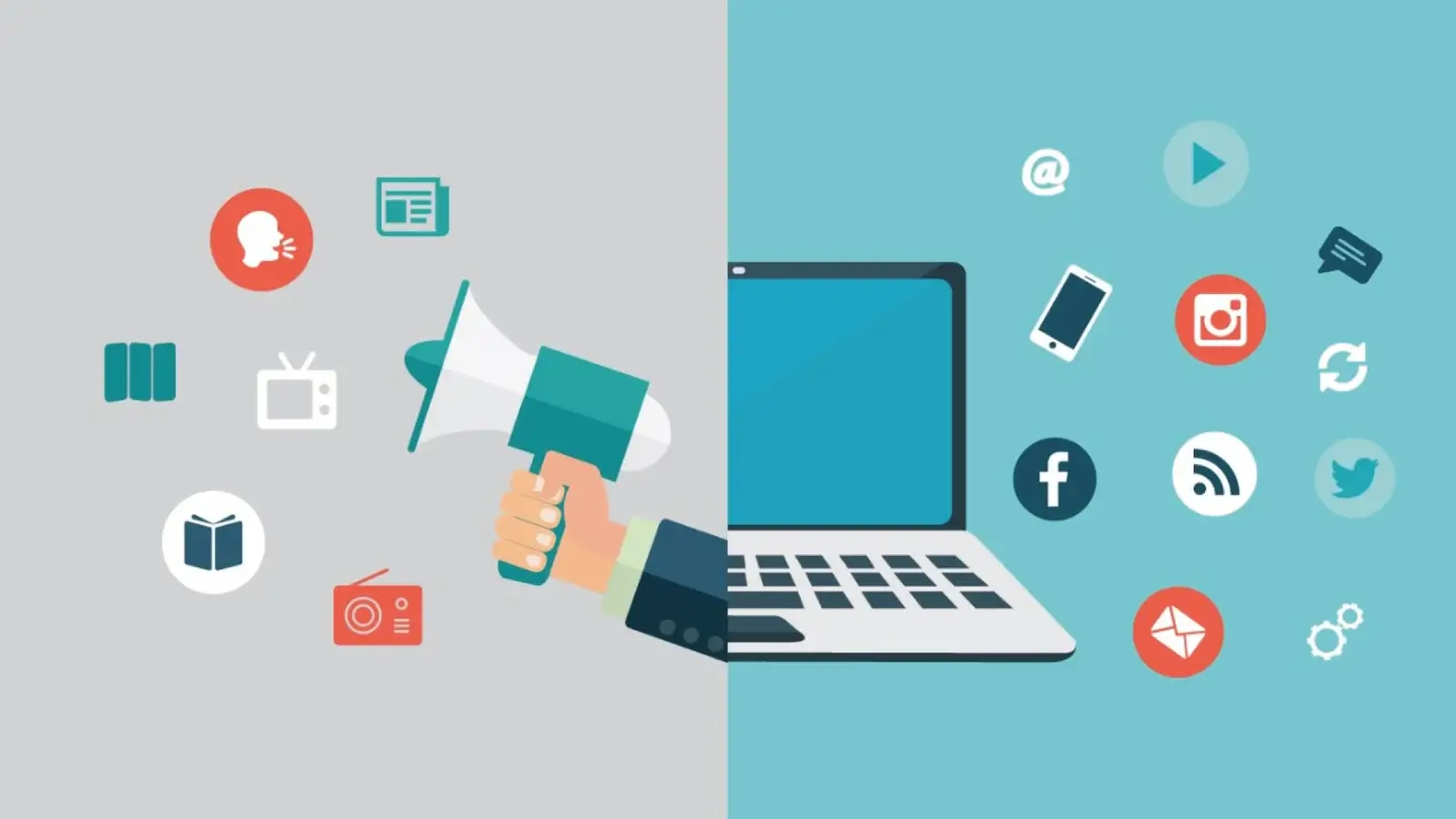
Traditional media refers to the longstanding channels of communication that have been in use for decades. This includes:
- Television: Reaching mass audiences through visual storytelling.
- Radio: Engaging listeners through audio content.
- Print: Utilizing newspapers, magazines, and billboards for marketing.
- Direct Mail: Physical mailers and brochures sent to specific homes or businesses.
Traditional media has the benefit of broad reach, particularly for older demographics. It's especially effective for businesses that want to target local customers or have larger budgets for TV and radio ads. However, traditional media can be costly, and its impact can be harder to track compared to digital alternatives.
What is New Media?
New media, on the other hand, encompasses all digital platforms that have become dominant in recent years. This includes:
- Social Media: Platforms like Facebook, Instagram, and LinkedIn provide businesses the ability to engage directly with customers.
- SEO and Content Marketing: Optimizing websites and creating valuable content helps businesses rank higher on search engines and attract organic traffic.
- Email Marketing: A cost-effective way to reach targeted audiences with personalized messages.
- Pay-Per-Click (PPC) Advertising: Digital ads on search engines and social platforms that are measurable and customizable.
New media offers a more flexible and cost-effective way to reach specific audiences, with detailed analytics to track performance. It also allows for real-time engagement with customers, which can be vital for building brand loyalty and trust.
For more insights into the effectiveness of digital marketing strategies, check out this article from Forbes or explore this guide from HubSpot for key statistics on digital marketing in 2024.
Comparing Traditional Media and New Media
Here are some key differences to consider when deciding between traditional and new media:
| Aspect | Traditional Media | New Media |
|---|---|---|
| Cost | Typically more expensive | Generally more affordable |
| Audience Targeting | Broader, less targeted | Highly targeted based on demographics |
| Measurability | Difficult to measure ROI | Highly measurable with advanced analytics |
| Engagement | One-way communication | Two-way communication with customers |
| Flexibility | Less flexible, fixed ad schedules | Highly flexible, real-time adjustments |
Which Media Type is Right for Your Business?
Deciding whether to use traditional or new media depends largely on your business objectives, budget, and target audience.
If your business is aiming to reach a broad, older demographic and you have a larger budget, traditional media may still play an important role in your strategy. For businesses seeking to engage with younger, more tech-savvy audiences, new media is a more effective and affordable option.
In some cases, a hybrid strategy that combines both traditional and new media can deliver the best results. Understanding the nuances of both mediums allows businesses to create a comprehensive marketing strategy that taps into the strengths of each.
To learn more about why SEO can be more effective than SEM in many cases, check out our blog post on Choosing SEO Over SEM.
Final Thoughts
Both traditional and new media have their place in modern marketing. However, the rise of digital platforms means that more businesses are shifting towards new media to connect with audiences in real-time and measure campaign success more effectively.
If you're unsure of how to navigate these options, 720 Digital Marketing can help! We specialize in digital marketing solutions that maximize ROI and connect your brand with the right audience. Whether you're looking for help with SEO, social media marketing, or pay-per-click advertising, we've got you covered.
Contact us today at 720 Digital Marketing to schedule a consultation and start growing your business!
Frequently Asked Questions
What is the main difference between traditional and new media?
Traditional media includes television, radio, print, and direct mail, while new media covers digital platforms like social media, SEO, email marketing, and PPC advertising. The biggest practical differences are cost, targeting precision, and measurability. New media generally costs less and gives you detailed analytics; traditional media offers broad reach but makes ROI harder to track.
Is traditional media still worth using in 2024?
Traditional media can still be effective for businesses trying to reach a broad, older demographic, especially when the budget supports TV or radio ads. It also works well for targeting local customers. That said, tracking its impact is harder than with digital alternatives.
Which businesses benefit most from new media marketing?
New media is the stronger fit for businesses targeting younger, more tech-savvy audiences who are active on digital platforms. It offers real-time engagement, highly targeted audience options, and measurable results. The lower cost compared to traditional media also makes it practical for businesses with tighter budgets.
Can a business use both traditional and new media at the same time?
Yes, a hybrid strategy that combines both can deliver the best results in some situations. Using the strengths of each medium allows for a more comprehensive marketing approach. The right balance depends on your business objectives, budget, and the audience you are trying to reach.
How can 720 Digital Marketing help me choose the right media strategy?
720 Digital Marketing specializes in digital marketing solutions built to maximize ROI and connect your brand with the right audience. Whether you need help with SEO, social media marketing, or pay-per-click advertising, the team can guide you. Reach out at 629-206-7201 or visit the contact page to schedule a consultation.